
- All
- Product Name
- Product Keyword
- Product Model
- Product Summary
- Product Description
- Multi Field Search
Please Choose Your Language
Views: 0 Author: Site Editor Publish Time: 2026-07-28 Origin: Site


Exceptional packaging design drives brand retention. It influences over 70% of consumer purchasing decisions today. The box serves as the ultimate physical touchpoint between your brand and the buyer. However, poor structural choices or unchecked ink coverage can quickly destroy your unit economics. You might create a visually stunning package. Yet, it could fail during transit or cost too much to produce at scale. This guide provides a practical blueprint for your business. It balances unboxing aesthetics with logistics, durability, and cost-efficiency. Moving from a digital concept to a physical printed custom packing box requires critical evaluation. You must assess materials, print capabilities, and minimum order quantities. We will help you navigate these variables before you commit to a full production run. You will learn to optimize structures, leverage strategic ink usage, and scale your packaging securely.
Before applying graphics, decision-makers must evaluate how the box travels. It moves from warehouse shelves directly to the customer. Structural integrity dictates your design possibilities. You cannot print complex graphics on a box structurally unsuited for your supply chain.
Standardized corrugated paperboard represents the implementation reality for this category. It serves as the ideal foundation for subscription models and direct-to-consumer (DTC) shipping. E-commerce mailer boxes balance presentation quality and shipping durability perfectly.
Roll-end front tuck designs eliminate the need for excessive packing tape. They create a clean, frustration-free unboxing experience. Customers appreciate opening a secure package without needing sharp tools. This structural choice directly lowers warehouse consumable costs. You buy less tape and reduce packing time.
Retail environments demand specific implementation realities. You will use lighter, smoother Solid Bleached Sulfate (SBS) board here. This material provides an incredibly smooth surface.
SBS board remains best for high-definition, photo-realistic exterior printing. Retail shelf visibility requires vibrant graphics. Cosmetics, supplements, and tech accessories rely heavily on this material. However, SBS paperboard is not suited for standalone shipping. You must place these cartons inside a stronger outer container for postal transit.
You must use double-wall corrugated material for heavy, fragile, or oversized items. Standard paperboard will collapse under excessive weight. Heavy-duty shippers prioritize structural rigidity over shelf appeal.
This implementation prioritizes burst strength and Edge Crush Test (ECT) ratings. Design ideas here should lean toward simple graphics. Use one-color flexographic logo prints. This strategy keeps costs low across large surface areas. Complex full-color prints on rough double-wall corrugated often look muddy. Keep your visual branding bold and minimal.
Modern fulfillment requires operational upgrades. You can add tear strips and secondary adhesive strips to your boxes. These features transform standard shippers into high-performance logistics tools.
These upgrades speed up warehouse packing times significantly. Workers simply peel and press the flap. Furthermore, they reduce friction for customer returns. Buyers use the secondary adhesive strip to reseal the box. An easy return process directly impacts customer lifetime value (LTV).
| Structure Type | Primary Material | Best Use Case | Print Suitability |
|---|---|---|---|
| Mailer Box | E-Flute Corrugated | DTC, Subscription Boxes | Excellent inside and out |
| Retail Carton | SBS Paperboard | Store Shelves, Cosmetics | HD Photo-realistic |
| Heavy-Duty Shipper | Double-wall Corrugated | Oversized/Fragile Items | 1-color Flexographic |
Innovative design should elevate perceived value. You must achieve this without unnecessarily complicating the manufacturing process. The best concepts merge visual impact with production simplicity.
Keep the exterior discreet. A plain exterior deters porch piracy effectively. You then utilize full-color CMYK printing exclusively on the interior lid. This creates a powerful surprise element for the buyer.
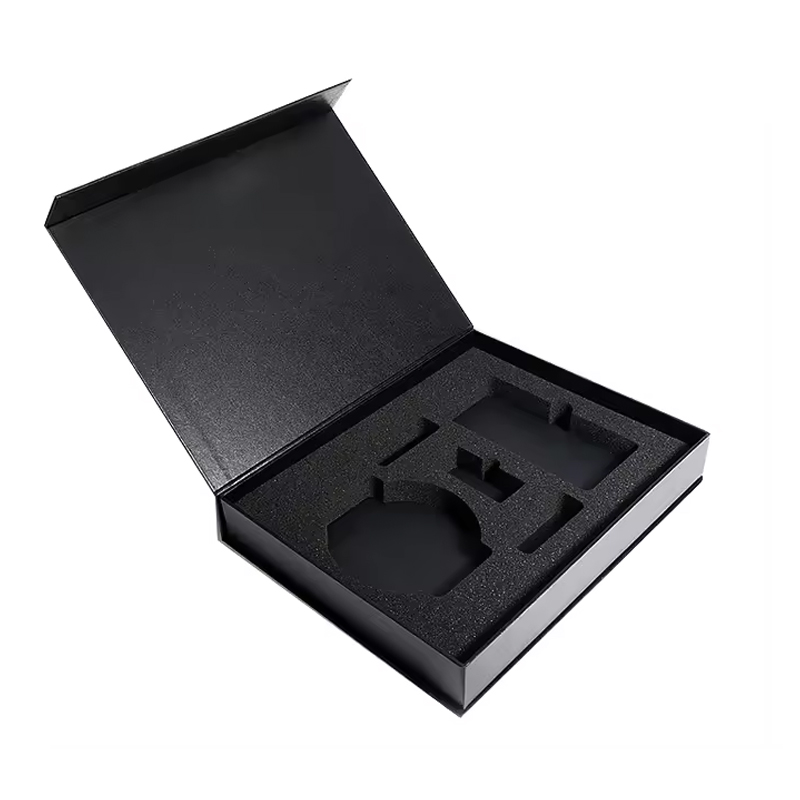
Pair this interior printing with custom-measured inserts. These inserts hold multi-part products securely in place. They prevent shifting during transit. You effectively turn the custom packing box into a permanent storage or display case. Customers rarely throw away highly functional, beautiful packaging.
Use a standardized, unprinted base box year-round. You then slide a custom-printed paperboard sleeve over it. This modular approach solves major inventory challenges for growing brands.
This execution allows brands to switch designs easily. You can launch holiday themes or limited product drops. You avoid absorbing the high cost of redesigning the entire rigid box. Minimum order quantities for simple sleeves remain incredibly low compared to fully printed corrugated mailers.
Design the physical container to serve a secondary purpose post-delivery. Do not let the packaging become immediate waste. Functional longevity boosts brand recall.
Add cut-paths or QR codes to your flat panels. Instruct the buyer how to fold the empty box. They can build a phone stand, pet house, or desk storage bin. This interactive approach creates highly shareable social proof. Users love posting clever upcycling projects online.
Tight margins demand a fallback strategy. You do not always need full-bleed custom printing. Sometimes, minimalist accessories deliver a comparable premium feel.
Source standard Kraft boxes in bulk. Create your brand identity exclusively through custom accessories. Apply custom-printed water-activated tape. Use die-cut roll labels or elegant stamped logos. This economy tier lowers initial capital requirements while maintaining professional presentation.
What looks good on a screen can fail in production. Understanding cost drivers is critical for vendor evaluation. You must bridge the gap between digital design and physical reality.
Pricing heavily depends on ink volume. Printing a flood coat costs significantly more than localized logo placement. A flood coat involves 100% ink coverage, like a solid brand-color box.
High ink volume requires specialized presses. It drastically extends production drying times. If you cover the entire surface, the factory uses more resources. Localized placement leaves the natural board exposed. This targeted approach preserves your budget while highlighting the core brand mark.
| Print Method | Cost Profile | Ideal Design Style | Typical Lead Time |
|---|---|---|---|
| Flexographic | Low (at scale) | 1-2 colors, simple vector logos | Fast |
| Digital Offset | Medium-High | Complex gradients, multi-color CMYK | Moderate |
| Litho-Lamination | High | Photo-realistic retail displays | Slow |
Color choices communicate brand values instantly. Leverage high-contrast color blocking for modern audiences. Bright hues command attention on crowded social media feeds. They signal energy and innovation.
Conversely, use natural, unbleached Kraft textures to signal organic values. Clean-label brands thrive on raw aesthetics. Consumers associate unbleached cardboard directly with environmental responsibility. Align your palette strictly with your target demographic's expectations.
Evaluate vendors based on their material sourcing. Eco-friendly claims require verified proof. Prioritize SFI-certified (Sustainable Forestry Initiative) materials across your supply chain.
Demand soy-based or water-based inks instead of traditional petroleum-based options. These choices ensure the final product remains 100% recyclable. Modern consumers actively check packaging for recycling instructions. Providing a fully sustainable unboxing experience builds massive consumer trust.
Transitioning from a design concept to a reliable supply chain requires strict shortlisting logic. You must protect your cash flow. Smart sourcing prevents expensive manufacturing errors.
Many founders attempt in-house screen printing. They want to save money initially. However, you must contrast the hidden costs against manufacturer efficiency. DIY setups demand expensive screen equipment. You face long water-based ink curing times.
Manual labor quickly erodes your profit margins. A dedicated packaging manufacturer automates these processes. They deliver consistent quality without stealing your operational bandwidth. Your time is better spent acquiring customers, not curing ink.
Inventory ties up capital. Look for manufacturing partners offering low initial MOQs. Seek vendors providing 25 to 50 units for emerging product lines. This approach reduces financial risk substantially.
You can test different designs in the market. Gather customer feedback before committing to massive volumes. Low MOQs give small businesses the agility of enterprise brands. You preserve cash flow for marketing and product development.
Never skip the proofing stage. Ordering a massive production run blindly guarantees disaster. Outline the necessity of ordering a single-unit physical sample. Vendors often provide these for a nominal fee.
You must physically test structural tolerances. Check the actual product fit inside the assembled carton. Verify the CMYK color accuracy under real-world lighting. Screen brightness often misrepresents ink hues. You only approve a 10,000-unit run after inspecting the physical prototype.
Follow these prototyping validation steps:
The best custom packing box bridges a critical gap. It connects a memorable unboxing event with strict logistical reliability. You must align structural integrity with your specific fulfillment workflow. Creative ideas like interior printing or modular sleeves maximize visual impact while controlling production costs.
Start your packaging upgrade today. Audit your current product dimensions and primary shipping methods. Request a sample kit from certified vendors to evaluate board thickness firsthand. Order a single-box prototype to verify your print finish. Taking these calculated steps guarantees your packaging drives brand loyalty without breaking your budget.
A: Pricing is heavily influenced by how much of the box is printed. Full-bleed designs (where ink covers the entire surface) require more material and specialized printing presses compared to a simple, centered logo.
A: Yes, corrugated mailer boxes and shipping boxes typically support double-sided printing. However, certain retail SBS paperboard cartons may only support exterior printing due to material constraints.
A: While it varies by vendor and order size, standard production typically takes 10 to 15 business days after artwork approval, with expedited options often available for a premium.
A: Always request a custom sample or a "1-box proof." This allows you to physically test your product inside the box, verify the dimensions, and check the print resolution before committing to a larger MOQ.
